Admissions Open 2025–26
Age group 1.8 to 6 years

NURTURING MINDS. INSPIRING FUTURES.

Primary Program
(3–6 Years)

A Montessori environment where children develop independence, concentration, confidence, and a lifelong love of learning through purposeful hands-on experiences.

Mixed-Age Classroom

Certified Montessori Guides

Individual Learning Plans

Practical Life, Language, Math & Culture

Why
Ages 3–6
Matter

The years between 3 and 6 are a time of extraordinary growth. In a Montessori environment, children build the foundation for a lifetime of learning, independence, and compassion.

Lorem ipsum dolor sit amet, consectetur adipiscing elit. Ut elit tellus, luctus nec ullamcorper mattis, pulvinar dapibus leo.
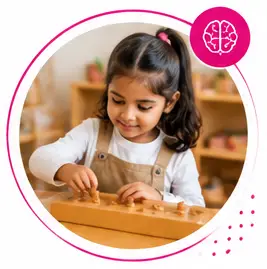
This is the heading

Lorem ipsum dolor sit amet, consectetur adipiscing elit. Ut elit tellus, luctus nec ullamcorper mattis, pulvinar dapibus leo.
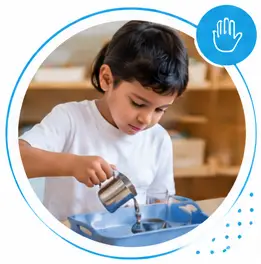
This is the heading

Lorem ipsum dolor sit amet, consectetur adipiscing elit. Ut elit tellus, luctus nec ullamcorper mattis, pulvinar dapibus leo.
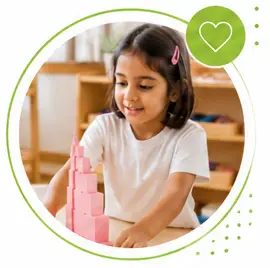
This is the heading

Lorem ipsum dolor sit amet, consectetur adipiscing elit. Ut elit tellus, luctus nec ullamcorper mattis, pulvinar dapibus leo.
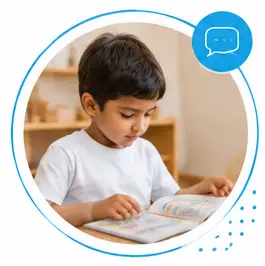
This is the heading

Lorem ipsum dolor sit amet, consectetur adipiscing elit. Ut elit tellus, luctus nec ullamcorper mattis, pulvinar dapibus leo.
This is the heading

Lorem ipsum dolor sit amet, consectetur adipiscing elit. Ut elit tellus, luctus nec ullamcorper mattis, pulvinar dapibus leo.
This is the heading

Lorem ipsum dolor sit amet, consectetur adipiscing elit. Ut elit tellus, luctus nec ullamcorper mattis, pulvinar dapibus leo.
Lorem ipsum dolor sit amet, consectetur adipiscing elit. Ut elit tellus, luctus nec ullamcorper mattis, pulvinar dapibus leo.

The Montessori
Three Year Cycle

A Journey of Growth and Discovery
Unlike traditional classrooms that change every year, Montessori children remain in the same carefully prepared environment for a complete three-year cycle. This continuity allows learning to unfold naturally while building confidence, mastery, and leadership.

Year 1
3–4 Years
The Absorbent Mind

Children effortlessly absorb everything
from their environment.

Year 2
4–5 Years
The Reasoning Mind

Children begin to make connections and understand how the world works.

Year 3
3–4 Years
The Creative & Social Mind

Children lead, create and contribute, becoming confident and capable.

The Benefits of the Three-Year Cycle

Emotional
Security

Same teacher, same environment, stronger sense of belonging.

Individualized Learning

Children progress at their own pace with personalized guidance.

Leadership Development

Older children become role models and mentors for younger peers.

Deeper
Learning

Three years allow time for true mastery and confidence to grow.

Strong
Community

Lasting friendships and a culture of respect and collaboration.

Independence & Confidence

Children learn to trust themselves and take ownership of learning.

Inside the
Montessori
Classroom

Our classrooms are carefully prepared environments designed to inspire curiosity, independence, and a love for learning. Every material has a purpose, and every activity supports a child’s natural development across all areas.

Each area of learning is interconnected, helping children build skills, confidence, and a lifelong love of learning.

Practical Life

Sensorial

Language

Mathematics

Cultural Studies

Art & Creativity

A Day in the
Primary
Environment

Our days are thoughtfully structured to balance independence and guidance, quiet focus and movement, learning and laughter.

8:30 – 9:00 AM
Arrival & Welcome

Children are greeted warmly and settle in with a morning activity.

9:00 – 11:00 AM
Work Cycle

Uninterrupted time for children to explore and engage with materials of their choice.

11:00 – 11:30 AM
Small Group Lessons

The teacher introduces new concepts in small, engaging group lessons.

11:30 AM – 12:15 PM
Outdoor Exploration

Fresh air, movement and nature play to support growth and well-being.

12:15 – 1:00 PM
Lunch & Social Time

Nutritious meals and meaningful conversations build healthy habits and friendships.

1:00 – 2:00 PM
Creative Expression

Art, music, movement and imaginative play nurture creativity and self-expression.

2:00 – 2:30 PM
Reflection & Departure

We come together to reflect, share and end the day with gratitude.

Every moment is an opportunity to learn, grow and connect.

What Children
Gain by Age 6

At the end of their Primary journey, children leave with more than academic knowledge. They step into the world as confident, compassionate, and capable individuals—ready for school and for life.

Independent Thinkers

They make choices, solve problems, and think for themselves.

Confident Communicators

They make choices, solve problems, and think for themselves.

Curious Learners

They make choices, solve problems, and think for themselves.

Problem Solvers

They make choices, solve problems, and think for themselves.

Responsible Community Members

They make choices, solve problems, and think for themselves.

School-Ready & Life-Ready

They make choices, solve problems, and think for themselves.

Mixed-Age
Classrooms

Learning Together, Growing Together

Our Primary classrooms bring together children ages 3–6 in one supportive community. This unique environment nurtures independence, leadership, and meaningful relationships.

Younger Children Learn from Older Peers

They observe, imitate, and absorb knowledge and skills naturally through everyday interactions.

Older Children Lead and Inspire

They reinforce their learning by teaching and supporting younger classmates, building confidence and empathy.

A Strong Community for Life

Children build lasting friendships, develop respect, and grow together in a culture of kindness and collaboration.

Add Your Heading Text Here

Lorem ipsum dolor sit amet, consectetur adipiscing elit. Ut elit tellus, luctus nec ullamcorper mattis, pulvinar dapibus leo.

Younger Children Learn from Older Peers

They observe, imitate, and absorb knowledge and skills naturally through everyday interactions.

Younger Children Learn from Older Peers

They observe, imitate, and absorb knowledge and skills naturally through everyday interactions.

Younger Children Learn from Older Peers

They observe, imitate, and absorb knowledge and skills naturally through everyday interactions.

Younger Children Learn from Older Peers

They observe, imitate, and absorb knowledge and skills naturally through everyday interactions.